Digital Transformation
Why Universities Need Digital Credentials Instead of PDFs in 2026
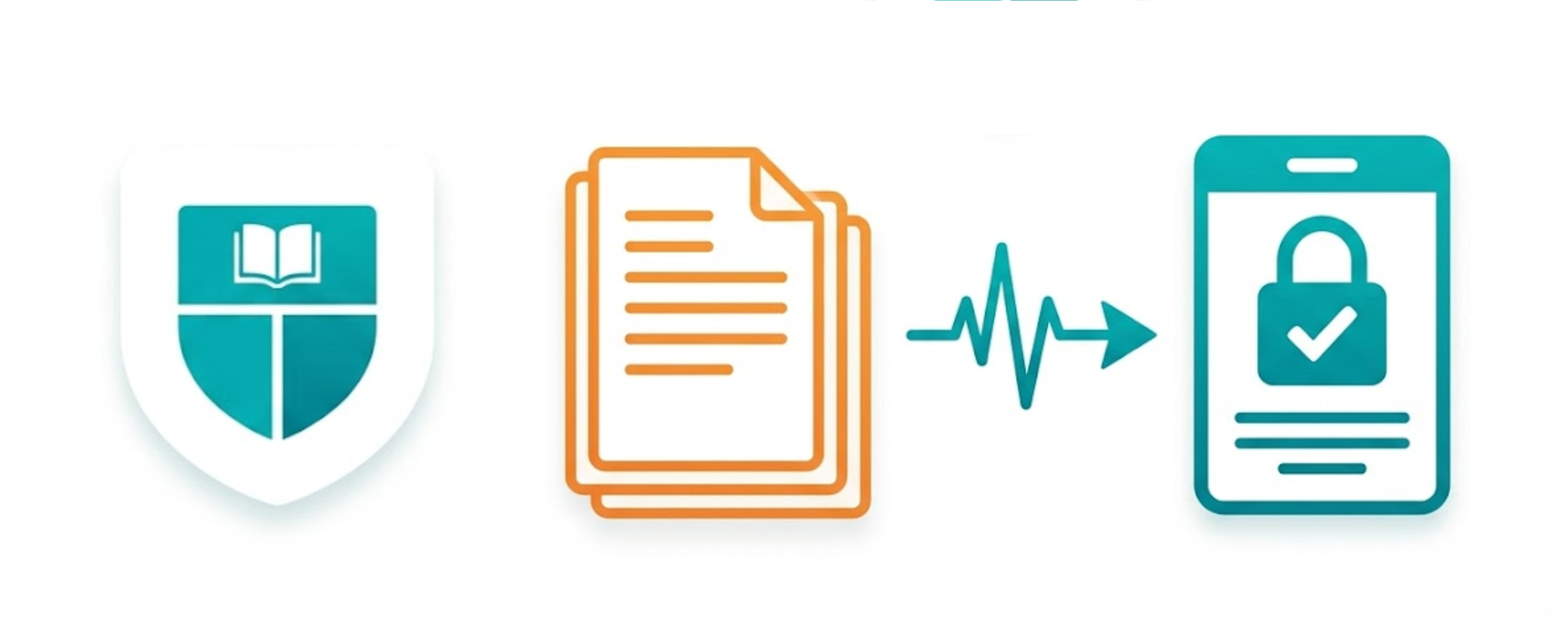
Higher education has transformed online learning, admissions, and campus management. Yet, the way universities issue and verify academic degrees in many countries largely remains stuck in the past.
Registrars spend hundreds of hours responding to manual verification emails, graduates email static PDF diplomas, and international employers spend weeks attempting to confirm whether an applicant's transcript is authentic. In 2026, relying on PDFs isn't just an inefficiency, it is a security liability and an unnecessary drain on university resources.
The Hidden Vulnerabilities of PDF Certificates
For years, converting paper diplomas into PDF attachments felt like digital progress. Today, static PDFs represent a major operational bottleneck.
- Rampant Credential Fraud: Standard editing tools make static PDFs trivial to forge or alter. Employers can rarely distinguish an authentic document from a manipulated one without contacting the issuing university directly.
- Heavy Administrative Friction: Registrar teams are inundated with thousands of routine verification requests each year. Every inquiry requires staff to locate student records, verify authenticity, reply via email, and log the interaction.
- Sluggish Cross-Border Mobility: International verification remains painfully slow. A foreign employer or admissions department confirming a graduate's credentials often waits weeks for an official reply, stalling hiring and student mobility.
What True Digital Credentials Offer
A true digital credential is far more than a digitized document. It is a secure, cryptographically backed record built for real-time verification.
Unlike static PDFs, modern digital credentials are:
- Tamper-Proof: Protected by secure digital infrastructure, making unauthorized edits virtually impossible.
- Instantly Verifiable: Employers and third parties verify degree authenticity in seconds via a QR code or secure verification link.
- Portable: Graduates hold their verified credentials in digital wallets or shareable links, removing the need to repeatedly request official documentation from the university.
The Strategic Advantage for University Leadership
Transitioning from legacy PDFs to verifiable digital credentials delivers immediate operational returns across campus:
1. Eliminate Administrative Bottlenecks
Self-service verification shifts the workload off your staff. By allowing external parties to verify degrees automatically, registrars can reclaim valuable time for high-value student services.
2. Protect Institutional Reputation
Cryptographic verification eliminates degree fraud linked to your institution's name. When employers know your credentials can be trusted instantly, your global brand value grows.
3. Elevate the Student Experience
Today's graduates expect seamless, mobile-first tools. Providing portable credentials that integrate easily into professional profiles and job applications gives your alumni a competitive edge in the global job market.
Modernizing Credential Strategy with xTID
Moving away from static PDFs does not require overhauling your core administrative software. Platforms like xTID integrate directly with existing university infrastructure via secure APIs, enabling automated issuance while keeping full control over academic records in institutional hands.
Universities are no longer evaluated solely on academic programs, they are judged on operational agility, global trust, and student experience. Replacing PDFs with tamper-proof digital credentials is one of the most effective ways to future-proof your institution.
Explore how forward-thinking universities are streamlining credential issuance and verification at xtid.io.